N
Netanya Sadoff
Guest
- Thread Author
- #1
Gardeners tend to equate “vegetables” with “annuals” and it’s easy to see why. Lettuce, beans, peas, tomatoes—we plant, tend, harvest, eat and then replant them in a reliable and repetitious sequence. But at the same time, we love the ease of perennial garden edibles such as mint and raspberries and chives.
It’s easy to get excited about vegetables that you can plant once and harvest for years, but your choices in this category are admittedly limited, especially here in the North. The good news is that these superlative veggies pack a lot of punch. Let’s meet a few:

Asparagus is a delicious and reliable perennial in the North.
This is the one that springs to mind first in any discussion of perennial vegetables. Asparagus pops up early and is a delight in the kitchen and a favorite in restaurants for its ability to elevate many entrees. Asparagus takes some effort to establish, along with some patience (you won’t harvest asparagus for the first two to three years after planting), but your reward is a hardy, reliable plant that will produce consistently for many years (even decades).
Plant asparagus crowns in trenches and choose a location in full sun with well-drained soil. They prefer alkaline soil, which many northerners have.

Plant rhubarb once, and you’ll be harvesting every spring for years!
Another staple of springtime in the North, rhubarb is hardy and is very easy to propagate. A friend may happily give you a chunk. You’ll want to give it plenty of dedicated space in the garden
because it will command a massive presence for years to come. Figure on waiting a couple of years before harvesting any rhubarb—and when you harvest, don’t cut the stalks, yank them out whole to encourage your plant to produce more. In the kitchen, rhubarb is useful in a variety of sweet and savory dishes, especially when paired with its best friend, strawberry.

Jerusalem Artichokes are beautiful, delicious, and support the local ecosystem.
While not as common as asparagus or rhubarb, Jerusalem artichoke (Helianthus tuberosus) is a smart choice for northern gardeners. Related to sunflowers, this North American native plant has the same penchant to grow tall. But underground, Jerusalem artichokes are more like potatoes, with multiple tubers growing under the soil. They aren’t fussy about light or watering, although they don’t like soggy soil.
Plant tubers with their eyes toward the sky and treat them similarly to potato plants during the growing season. At harvest time, leave some tubers in the ground to ensure next year’s crop. In the kitchen, you can use Jerusalem artichokes in many of the same ways that you do potatoes; Jerusalem artichokes are also noted for being particularly good in soup.
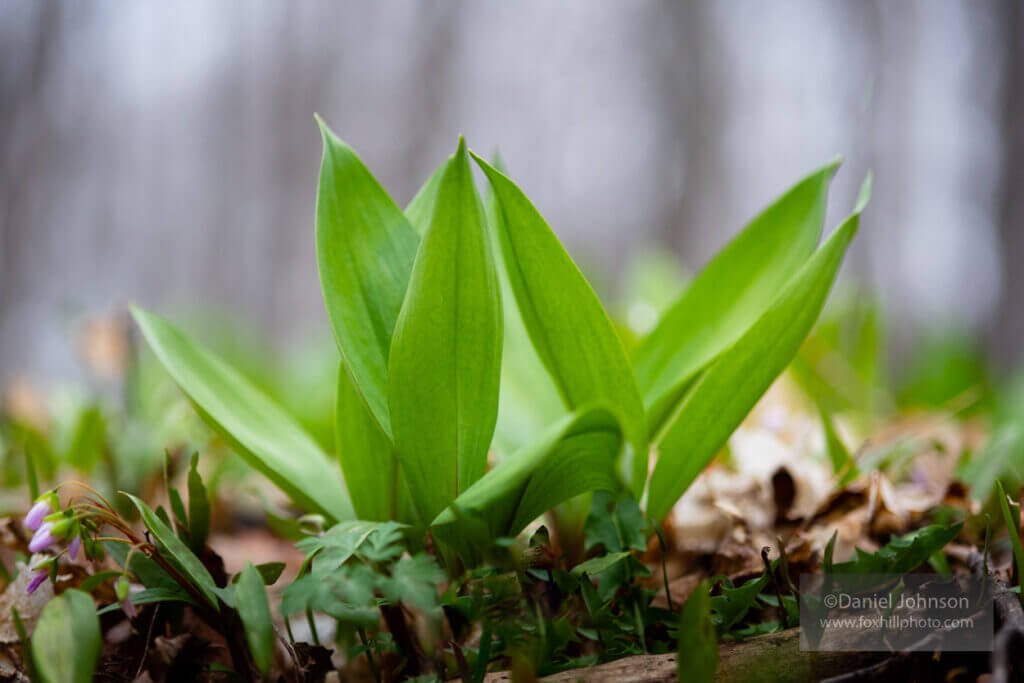
Ramps in the early spring forest
Ramps (Allium tricoccum) are also known as wild leeks and are a mainstay of early spring in the kitchen. While you can harvest wild ramps, it’s even more fun to cultivate your own. Here’s the best part: your cultivated ramps won’t take up any garden space. Ramps don’t appreciate sunshine, so they wouldn’t be happy in your vegetable garden with sun-loving tomatoes and peppers. Instead, it’s best to grow ramps in a cool, shaded location surrounded by dried leaf matter and plenty of trees. And it’s important to remember that ramps will only come back each spring if the bulb is left intact in the ground. If you harvest the bulb, the plant cannot regrow.
You can choose to harvest leaves only, or harvest the bulbs sparingly, leaving the remaining bulbs to continue colonizing. Ramps are delicious in all sorts of recipes— anywhere you would use onion or garlic.
Annual vegetables will certainly dominate most vegetable gardens in the North, but this versatile quartet of perennial vegetables will undoubtedly make a positive contribution to your garden.
This article originally appeared in the Jul/Aug 2021 edition of Northern Gardener® Magazine.

Samantha Johnson is the author of several books, including Vegetable Gardening for Beginners: Learn to Grow Anything No Matter Where You Live (New Shoe Press, 2023). She writes frequently about pets, gardening and farm life.
samanthajohnson.contently.com
The post Perennial Vegetables for the Northern Garden appeared first on Northern Gardener.
It’s easy to get excited about vegetables that you can plant once and harvest for years, but your choices in this category are admittedly limited, especially here in the North. The good news is that these superlative veggies pack a lot of punch. Let’s meet a few:
Asparagus is a delicious and reliable perennial in the North.
Asparagus
This is the one that springs to mind first in any discussion of perennial vegetables. Asparagus pops up early and is a delight in the kitchen and a favorite in restaurants for its ability to elevate many entrees. Asparagus takes some effort to establish, along with some patience (you won’t harvest asparagus for the first two to three years after planting), but your reward is a hardy, reliable plant that will produce consistently for many years (even decades).
Plant asparagus crowns in trenches and choose a location in full sun with well-drained soil. They prefer alkaline soil, which many northerners have.
Plant rhubarb once, and you’ll be harvesting every spring for years!
Rhubarb
Another staple of springtime in the North, rhubarb is hardy and is very easy to propagate. A friend may happily give you a chunk. You’ll want to give it plenty of dedicated space in the garden
because it will command a massive presence for years to come. Figure on waiting a couple of years before harvesting any rhubarb—and when you harvest, don’t cut the stalks, yank them out whole to encourage your plant to produce more. In the kitchen, rhubarb is useful in a variety of sweet and savory dishes, especially when paired with its best friend, strawberry.
Jerusalem Artichokes are beautiful, delicious, and support the local ecosystem.
Jerusalem Artichoke
While not as common as asparagus or rhubarb, Jerusalem artichoke (Helianthus tuberosus) is a smart choice for northern gardeners. Related to sunflowers, this North American native plant has the same penchant to grow tall. But underground, Jerusalem artichokes are more like potatoes, with multiple tubers growing under the soil. They aren’t fussy about light or watering, although they don’t like soggy soil.
Plant tubers with their eyes toward the sky and treat them similarly to potato plants during the growing season. At harvest time, leave some tubers in the ground to ensure next year’s crop. In the kitchen, you can use Jerusalem artichokes in many of the same ways that you do potatoes; Jerusalem artichokes are also noted for being particularly good in soup.
Ramps in the early spring forest
Ramps
Ramps (Allium tricoccum) are also known as wild leeks and are a mainstay of early spring in the kitchen. While you can harvest wild ramps, it’s even more fun to cultivate your own. Here’s the best part: your cultivated ramps won’t take up any garden space. Ramps don’t appreciate sunshine, so they wouldn’t be happy in your vegetable garden with sun-loving tomatoes and peppers. Instead, it’s best to grow ramps in a cool, shaded location surrounded by dried leaf matter and plenty of trees. And it’s important to remember that ramps will only come back each spring if the bulb is left intact in the ground. If you harvest the bulb, the plant cannot regrow.
You can choose to harvest leaves only, or harvest the bulbs sparingly, leaving the remaining bulbs to continue colonizing. Ramps are delicious in all sorts of recipes— anywhere you would use onion or garlic.
Annual vegetables will certainly dominate most vegetable gardens in the North, but this versatile quartet of perennial vegetables will undoubtedly make a positive contribution to your garden.
This article originally appeared in the Jul/Aug 2021 edition of Northern Gardener® Magazine.
Samantha Johnson is the author of several books, including Vegetable Gardening for Beginners: Learn to Grow Anything No Matter Where You Live (New Shoe Press, 2023). She writes frequently about pets, gardening and farm life.
samanthajohnson.contently.com
The post Perennial Vegetables for the Northern Garden appeared first on Northern Gardener.