
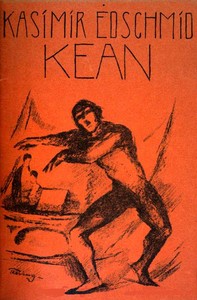
Kean: Schauspiel in fünf Akten nach Alexandre Dumas by Kasimir Edschmid

(3 User reviews)   3385
Edschmid, Kasimir, 1890-1966 Edschmid, Kasimir, 1890-1966
German
Ever wonder what happens when a celebrity gets tired of being famous? That's the heart of 'Kean.' This book isn't just a dusty old play adaptation; it's a surprisingly modern story about a man trapped by his own talent. Edmund Kean is the greatest actor of his age, but off-stage, he's a mess. He drinks, he's in debt, and he's utterly bored with the adoration. The real drama starts when he falls for a noblewoman, crossing a social line you just didn't cross in 1820s London. It's a brilliant, chaotic portrait of the person behind the persona, asking if you can ever really know who you are when the whole world is watching.
Share

Read "Kean: Schauspiel in fünf Akten nach Alexandre Dumas by Kasimir Edschmid" Online

This book is available in the public domain. Start reading the digital edition below.

START READING FULL BOOK
Instant Access    Mobile Friendly

Book Preview

A short preview of the book’s content is shown below to give you an idea of its style and themes.

Diele bei dem Grafen Koefeld. Kamin. Dreiflügliger Riesenspiegel. Der Hausintendant. Eine Kette Diener, beschäftigt. SZENE EINS BOTE _tritt rasch ein, zu einem Diener_: Helène Gräfin Koefeld? _Diener weist mit dem Daumen zum nächsten, Bote zum nächsten_: Helène Gräfin Koefeld? _Diener weist mit dem Daumen ihn zum nächsten, Bote zum nächsten_: Helène Gräfin Koefeld? _Diener weist mit dem Daumen ihn zum nächsten, Bote zum nächsten, dem Hausintendanten_: Helène Gräfin Koefeld? HAUSINTENDANT: Hier. BOTE: Ich muß sie sehen. HAUSINTENDANT: Geben Sie mir den Auftrag. BOTE: Der Auftrag ist privat. HAUSINTENDANT: Daher in meine Hände. HELENE _eintretend_: Wer ist das? BOTE: Helène Gräfin Koefeld ... HELENE: Was wollen Sie? BOTE: Ein Paket. HELENE: Wer sendet Sie? BOTE: Der Prinz von Wales. HELENE _reißt das Paket auf, ein Fächer, sie schwenkt ihn, dreht um_: Ah. _Hinaus._ HAUSINTENDANT: Gehen Sie. _Bote ab._ SALOMON _durch die Tür, verdrückt_: Ist mein Herr da? HAUSINTENDANT: Wo kommen Sie hierher? SALOMON: Durch leere Zimmer. HAUSINTENDANT: Wer bist du? SALOMON: Souffleur. HAUSINTENDANT: Warum hast du da einen Herrn? SALOMON: Warum? Er tritt mich. Wie alle. Verachtet mich. Ich liebe ihn. HAUSINTENDANT: Wer ist der Stachel, den du liebst? SALOMON: Kean. HAUSINTENDANT: Der Schauspieler. Hein? SALOMON: Der bedeutendste Mann seiner Zeit, wenn er sich zu mäßigen verstände. HAUSINTENDANT: Das könnte er, meinst du, in einem Haus lernen, wo eine Frau herrscht, die so ist wie unsere? SALOMON: Ich suche ihn nur, irgendeine Frau verlangt nach ihm, das andere weiß ich nicht. Es kam mir nur in den Sinn, daß er krepieren wird oder sich festlegen. Die Zeit ist kritisch geworden. Ich kann es nicht mehr sehen, wie er mich mit sich in seine Launen reißt, Huren, Prinzessinnen, gut, zornig. Wo soll das hin? Denken Sie nicht, daß er mich nur tritt, er ist manchmal freundlich zu mir. HAUSINTENDANT: Lauf davon. SALOMON: Das kann ich nicht. HAUSINTENDANT: Der Herr verkehrt nicht bei uns. SALOMON: Hätten Sie gleich sagen können. Schicksal. Ich gehe. Warum suche ich ihn hier? _Ab._ HELENE _mit dem Fächer herein_: Sind Spieltische aufgestellt? HAUSINTENDANT: Zwei Whist, einer Bridge, drei Bac. HELENE: Die Pagen am Gartentor in neuer Livree? HAUSINTENDANT: Gelb und rot. Mit silbernen Schnüren. HELENE: Die Küche? HAUSINTENDANT: Schwitzt. HELENE: Sind die Musikanten mit Strafe bedroht, wenn sie unpünktlich sind? HAUSINTENDANT: Punkt neun marschieren sie durch den Salon. HELENE _klatscht in die Hände_: Tee und Punsch dann ins Boudoir. HAUSINTENDANT _klatscht in die Hände, zu den andern_: Tee und Punsch ins Boudoir. _Diener ab._ HELENE: Sie verlassen mit keinem Schritt die Soirée. Fehlen Sie einmal auf meinen Fingerwink, schick ich Sie aufs Land zu Fasanen und Kälbern. Was sagen Sie? HAUSINTENDANT: Ich würde eine schlechte Figur machen zwischen Geflügel und vorziehen, da ich Ihnen nicht mehr dienen kann, mich in die Kirschbäume zu henken. HELENE: Chüt. _Sieht ihn an, hebt mit der Fingerspitze sein Kinn, pfeift leis, jagt ihn mit einer Handbewegung hinaus._ DIENER: Die Gräfin Goswil. HELENE: Rasch. Rasch. _Zur Eintretenden_: Amy, Süßes, welches Glück, vor der Soirée noch Ihre Anwesenheit allein zu haben. AMY: Ihnen zu sagen, daß zwischen soviel Blond und Blau beim Rennen das Dunkel Ihrer Haare als Bestes fehlte. HELENE: Unmöglich da, wo Ihre Taille bebte, Ihre Hände winkten. AMY: Ich winkte. Mein Wettpferd fiel, ein Signal. Sie waren im Theater? HELENE: In Drury-Lane. AMY: Es spielte George? HELENE: Kean. AMY: Das Pferd, das stürzte, hatte einen grünen Jockey. Der Stall aus England. Der Name: Kean. HELENE: Sie machen mich gespannt mit ihren Sprüngen, Liebe. AMY: Ihr Kean fiel nicht vorm Start? HELENE: Ausgezeichnet im Start. AMY: Endlich Begeisterung. HELENE: Endlich die Frage: Was bedeutet Ihr Lächeln? AMY: Den Ausdruck aller Gesichter, wenn...

This is a limited preview. Download the book to read the full content.

This book is Kasimir Edschmid's 1920s German adaptation of a French play by Alexandre Dumas, which was itself based on the wild real life of the English stage legend, Edmund Kean. It's a play that's been through a few translations, but the core story of fame and self-destruction is timeless.

The Story

Edmund Kean is at the top. Night after night, he brings London audiences to their feet with his powerful performances. But when the curtain falls, his life is a disaster. He's drowning in scandal, debt, and boredom. The plot kicks into gear when he becomes infatuated with Anna, the Countess of Koefeld. Pursuing her is social suicide—she's aristocracy, he's just a player (in every sense). The story follows his reckless attempt to bridge that impossible gap, blurring the lines between his stage roles and his real desires until everything threatens to come crashing down.

Why You Should Read It

What grabbed me was how current Kean's problem feels. This isn't a stuffy period piece. It's about the emptiness that can come with success, the performative nature of identity, and the addictive chaos of living without rules. Kean is a frustrating, charismatic, deeply flawed hero. You watch him make terrible choices, but you understand the why—he's trying to feel something real in a life that's become one long performance.

Final Verdict

Perfect for anyone who loves a good character study or stories about the dark side of fame. If you enjoy historical fiction with psychological depth, or if you've ever wondered about the person behind the public image, this is for you. It's a short, sharp, and surprisingly poignant look at a man who had everything the world could offer, except a way out of his own head.


🏛️ Open Access

No rights are reserved for this publication. You can copy, modify, and distribute it freely.

Lucas Miller
4 weeks ago

Enjoyed every page.

Kimberly Davis
1 year ago

Surprisingly enough, the emotional weight of the story is balanced perfectly. One of the best books I've read this year.

David Davis
1 year ago

I was skeptical at first, but the flow of the text seems very fluid. Thanks for sharing this review.


3.5
3.5 out of 5 (3 User reviews )

Add a Review

Your Rating *
There are no comments for this eBook.
You must log in to post a comment.
Log in


Related eBooks