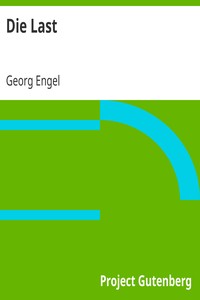
Die Last by Georg Engel

(3 User reviews)   3652
By Isabella Wilson Posted on Nov 15, 2025
In Category - Pets & Care
Engel, Georg, 1866-1931 Engel, Georg, 1866-1931
German
Hey, I just finished a book that feels like stepping into a forgotten world. 'Die Last' by Georg Engel isn't your typical historical novel. It's set in late 19th-century Germany, but it’s not about kings or battles. It follows a group of ordinary people whose lives are quietly unraveling under the weight of debts, secrets, and unspoken promises. The 'last' in the title isn't just about a final burden—it's about what happens when the bill for the past finally comes due. If you like stories where the real drama is in the quiet moments between people, where a glance or a broken agreement can change everything, this one will pull you right in. It's surprisingly modern in its feeling of anxiety and consequence.
Share

Read "Die Last by Georg Engel" Online

This book is available in the public domain. Start reading the digital edition below.

START READING FULL BOOK
Instant Access    Mobile Friendly

Book Preview

A short preview of the book’s content is shown below to give you an idea of its style and themes.

Kastenuhr, und zuweilen knirschte der Sand unter dem Stiefel des Mannes. Die Leidende seufzte und schien die rechte Lage nicht finden zu können. Endlich streckte sie sich und blickte in das trostlose Grau des Regentages hinaus. Welche Traurigkeit dort draußen und hier drinnen. Gegen die Fenster stäubte der Regen, Hagelkörner schlugen scharf gegen die Scheiben, und über die Wangen der Liegenden floß eine Träne. »Lösch’ die Lampe aus, Wilms,« bat sie, »meine Augen – es tut mir weh.« Er schraubte das Licht herunter, sofort sah es in der Stube noch fahler aus. »Armes Weib,« murmelte er, »armes Weib.« Er strich über ihre Haare und richtete sich langsam auf. Dann schritt er zur Tür. – Aber er sollte nicht hinausgelangen. »Wilms.« Sein Weib hatte sich aufgerafft. »Du sollst nicht fort,« rief sie angstvoll, »ich kann nicht allein bleiben – mich friert, wenn du draußen bist!« »Elsing – unsere Wirtschaft leidet darunter – ich muß –« »Ja, ja – die Wirtschaft – immer die Wirtschaft,« stieß die Kranke hervor und fiel erschöpft in ihre Kissen zurück, »und ich liege hier in meinem Elend – zwei Jahre – zwei ganze Jahre schon, und keiner hilft mir, keiner, zur Last falle ich jedem – auch dir –« »Elsing, ich –« »Ja, auch dir,« fuhr sie atemlos fort, »ich merk’ das sehr wohl – du hast nur Mitleid für mich – nur Mitleid. Und wir haben uns doch aus Liebe geheiratet.« Er war zögernd an ihr Bett getreten und plötzlich umschlang sie seinen Hals: »O Gott – o Gott, ich bin wohl sehr häßlich geworden?« forschte sie, am ganzen Leibe zitternd. »Nicht wahr, gesteh’s nur ganz offen.« »Elsing,« – die Stimme des Mannes zitterte leicht. Er hatte sich auf den Bettrand gesetzt und ließ ein paar Strähnen ihrer langen, blonden Haare durch seine Finger gleiten. »Elsing,« beteuerte er dann, »für mich bist du noch so schön, wie in der ersten Stunde – sieh doch bloß deine langen, weichen Flechten – und der kleine Mund und die lieben, blauen Augen – alles so hübsch, mein armes Kind.« Es mußte ihn doch übermannt haben, denn er schloß sein Weib in beide Arme und küßte es zärtlich auf die Lippen. Die Kranke schmiegte sich befriedigt an seine Brust und für einen Augenblick schien sie beglückt und hoffnungsfreudig. Wenigstens wandte sie sich bald auf die Seite und forderte ihn mit ihrer erregten Stimme auf: »Wilms, gib mir die Bibel von dem Tisch – so, und nun geh – geh nur und schlag ein Auge auf die Wirtschaft – es muß ja doch sein.« Da ging der Mann schwerfällig hinaus; allein als sich die Tür geschlossen hatte, blieb er stehen und lauschte zurück. Und trübe schüttelte er den Kopf. – Mit welch fieberhafter, leidenschaftlicher Glut sein Weib dort drinnen las. Sie sang beinahe; – ekstatisch, wie berauscht tönten die heiligen Worte: ›Und siehe, ein Weib, das zwölf Jahre siech war, trat zu ihm und rührete seines Kleides Saum an. Da wandte sich Jesus um und sahe sie und sprach: Sei getrost, meine Tochter, dein Glaube hat dir geholfen. Und das Weib ward gesund zur selbigen Stunde.‹ »Und ward gesund zur selbigen Stunde,« wiederholte es drinnen, wie verzückt. Dann einen Moment Stille, aber plötzlich mit herzzerreißendem Schluchzen: »O Gott – und ward gesund – lieber – lieber – Gott.« II. Als Wilms auf den Hof heraustrat, atmete er tief auf. Hier wehte doch frische Luft, hier beengte ihn die Hitze der Krankenstube nicht mehr, und erfrischend rieselte der Regen auf sein entblößtes Haupt. Merkwürdig. – Er hatte doch schon so oft mitten auf seinem Gehöft gestanden, aber heute befiel ihn zum...

This is a limited preview. Download the book to read the full content.

I picked up 'Die Last' knowing nothing about Georg Engel, and I'm so glad I did. Published in 1891, it's a snapshot of a society on the cusp of the modern age, told through the lives of people you feel you might know.

The Story

The plot revolves around a central debt—a financial and moral obligation passed between families. We follow characters from different walks of life: a businessman clinging to respectability, a young woman trapped by circumstance, and others whose fates are tied to this looming 'last' or burden. The tension doesn't come from chases or murders, but from the slow, crushing pressure of social expectation and the fear of ruin. Watching these characters navigate their promises and failures is utterly gripping.

Why You Should Read It

What struck me most was how familiar the emotions felt. Engel writes about money trouble, family pressure, and the shame of not living up to expectations in a way that hasn't aged a day. His characters aren't heroes or villains; they're just people trying to get by, making flawed choices. You'll find yourself equally frustrated by and sympathetic toward them. The book is a masterclass in building quiet, psychological tension.

Final Verdict

Perfect for readers who love character-driven historical fiction that focuses on society's middle layer, not its elite. Think of it as a German companion to the social novels of Thomas Hardy or Theodore Dreiser. If you need constant action, this might feel slow. But if you enjoy getting deep into the hearts and minds of complex characters facing very real, human dilemmas, 'Die Last' is a hidden gem waiting to be discovered. It's a thoughtful, poignant read that stays with you.


🟢 Copyright Status

This historical work is free of copyright protections. Access is open to everyone around the world.

Dorothy Robinson
3 months ago

After hearing about this author multiple times, it provides a comprehensive overview perfect for everyone. One of the best books I've read this year.

James Lee
9 months ago

As someone who reads a lot, it challenges the reader's perspective in an intellectual way. Thanks for sharing this review.

Michelle Lee
1 year ago

Text is crisp, making it easy to focus.
5
5 out of 5 (3 User reviews )

Add a Review

Your Rating *
There are no comments for this eBook.
You must log in to post a comment.
Log in


Related eBooks